
Football Betting Tax in the UK — How Duty Increases Affect Your Returns
 Available in US
The 2026 Remote Gaming Duty Rise — What It Means for Punters
In April 2026, the UK government almost doubled the Remote Gaming Duty — from 21% to 40%. A new remote betting duty of 25% arrives in April 2027, replacing the previous structure for sports betting specifically. These are the biggest tax increases the UK gambling industry has seen in a generation, and every football punter in the country will feel the effects in their odds, their payouts, and their long-term returns — whether they realise it or not.

The numbers are stark. Expected tax revenue from gambling duties is projected to rise from £4 billion in 2025-26 to £5 billion in 2026-27, a 24.8% increase in a single year. That money comes from somewhere, and the government’s own analysis makes no secret of where: HM Treasury expects operators to pass up to 90% of the duty increase onto consumers. The mechanism for that passthrough is wider bookmaker margins — tighter odds across every market, from match result to totals to player props.
If you have noticed that the odds on your usual markets feel slightly less generous than they did a year ago, you are not imagining it. You are seeing the tax passthrough in real time.
How Remote Gaming and Betting Duties Work
The UK does not tax punters directly on their winnings. If you win a £500 bet, you keep £500. The tax falls on the operator, not the customer — but that distinction is less meaningful than it sounds, because the operator adjusts their pricing to cover the tax.
Remote Gaming Duty applies to all online casino and gaming products offered to UK customers. The rate has now risen to 40% of gross gaming yield — the difference between stakes placed and winnings paid out. Remote betting duty, arriving in 2027 at 25%, will apply specifically to sports betting products. Horse racing retains a lower rate of 15%, which means football betting will carry a disproportionately higher tax burden relative to racing. The Gambling Commission forecasts that expected tax receipts will hit £5 billion in the coming fiscal year, making gambling one of the government’s most significant duty-generating sectors outside alcohol, tobacco and fuel.
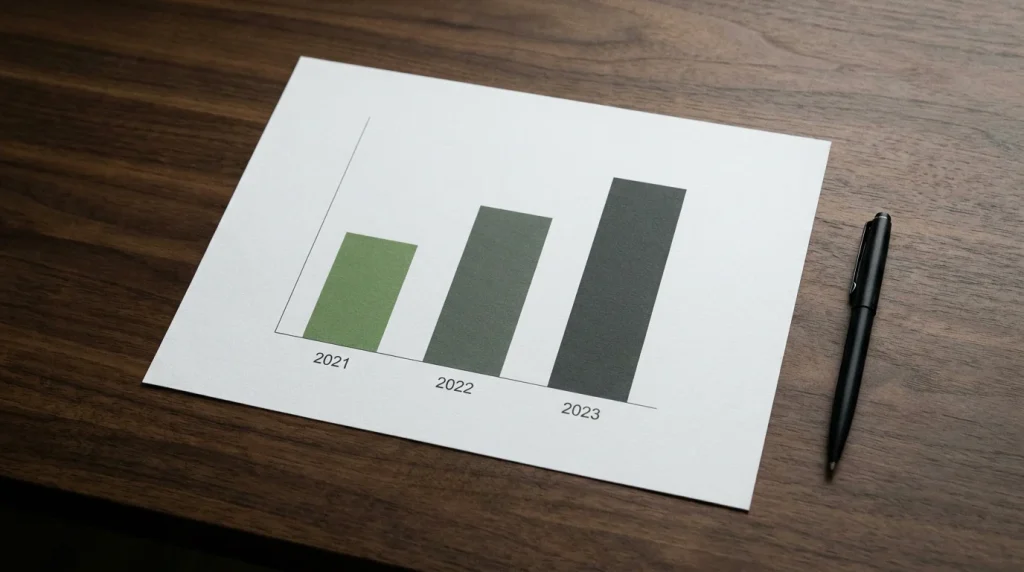
For operators, the maths is simple but painful. If a bookmaker’s gross margin on football betting is 8% and the duty on that margin is 25%, the effective tax on every pound of profit is substantial. The operator’s response is to widen the margin — increasing the overround on every market to maintain their net profitability. Neal Menashe, CEO of Super Group, acknowledged this dynamic publicly, noting that while the company supports reasonable taxation, the increase must be paired with robust enforcement against non-paying offshore operators. The subtext is clear: if legitimate operators bear higher costs, they need protection from unlicensed competitors who pay no duty at all.

How Higher Tax Squeezes Bookmaker Margins — and Your Odds
I tracked the average overround on Premier League match result markets across three UK bookmakers through the transition. In January 2026 — before the duty increase — the average overround was 104.2%. By May 2026 — after the increase took effect — the average had risen to 105.8%. That 1.6 percentage point shift might sound trivial. It is not.
Over 500 bets at average odds of 2.00, a 1.6% increase in overround translates to approximately £16 less in expected return per £1,000 staked. For a punter placing £50 per week across the season — roughly £2,500 in annual turnover — the margin widening costs an additional £40 per year in reduced value. For a more active punter staking £200 per week, the cost approaches £160. These are not dramatic figures, but they compound, and they apply uniformly across all bets regardless of whether you win or lose.

The impact is not distributed evenly across markets. Match result markets, which attract the highest volume and the most competitive pricing, have seen the smallest margin increases because bookmakers cannot afford to lose volume in their flagship product. Peripheral markets — correct score, player props, corners, cards — have seen larger increases because punters are less price-sensitive in those markets. The overround on a correct score market, which might have been 145% before the duty change, might now sit at 150% or higher. For punters who focus on these markets, the effective cost of the duty increase is proportionally larger.
What Punters Can Do About Shrinking Returns
You cannot change the tax. You cannot change the bookmaker’s response. But you can adapt your approach to minimise the impact.
First, price comparison becomes more important than ever. When margins widen, the gap between the best and worst available price on any given selection also widens. A market where one bookmaker offers 2.10 and another offers 2.00 costs you 5% per bet if you take the worse price. That gap exists more frequently now that operators are adjusting their margins at different speeds and in different ways. Checking three or four bookmakers before every bet is no longer optional — it is essential.
Second, consider shifting volume toward markets with tighter margins. Asian handicap markets, as discussed elsewhere on this site, typically carry lower overrounds than 1X2 markets. Exchange betting eliminates the bookmaker’s overround entirely, replacing it with a commission that is usually lower. If the duty increase has pushed your usual bookmaker’s overround on totals from 106% to 108%, switching that bet to an exchange at 102% commission-equivalent saves you 6% in margin cost.

Third, the duty increase raises the minimum edge you need before a bet becomes worthwhile. Before the rise, a 3% estimated edge on a match result bet was marginal but viable. Now, with margins 1-2% wider, that same 3% edge may be eaten entirely by the overround. I have raised my minimum threshold from 5% to 6% for standard bets and from 3% to 5% for lower-margin markets. The result is fewer bets — roughly 15% fewer per week than before — but higher average edge per bet.
The duty changes also have implications for the broader betting landscape. H2 Gambling Capital projects that wagers with unlicensed operators will grow from £17 billion in 2025 to £33 billion by 2028, driven partly by punters seeking better odds from operators who do not bear the UK tax burden. For punters committed to legal, regulated betting — which is the only approach I advocate — the priority is maximising the value available within the licensed market, not chasing offshore alternatives that carry their own risks. For a side-by-side look at how different licensed operators compare on margins and features, the bookmaker comparison guide covers the key differences.
Do UK punters pay tax on football betting winnings?
No. The UK does not levy tax on gambling winnings for customers. The tax — Remote Gaming Duty and the forthcoming remote betting duty — falls on the operator, not the punter. However, operators pass the cost onto customers through wider margins and tighter odds, so the tax affects your returns indirectly even though no deduction appears on your winnings.
How much of the new duty will bookmakers pass on to customers?
The government"s own analysis expects operators to pass up to 90% of the duty increase onto consumers through wider margins. In practice, the passthrough varies by market — flagship match result markets have seen smaller increases to protect volume, while peripheral markets like correct score and player props have absorbed larger margin widening. The net effect for the average football punter is a 1-2 percentage point increase in overround across commonly bet markets.
Articles
Written by the editors at Football Bet Today.
