
World Cup 2026 Betting Tips — Tournament Odds, Groups and Value Picks
 Available in US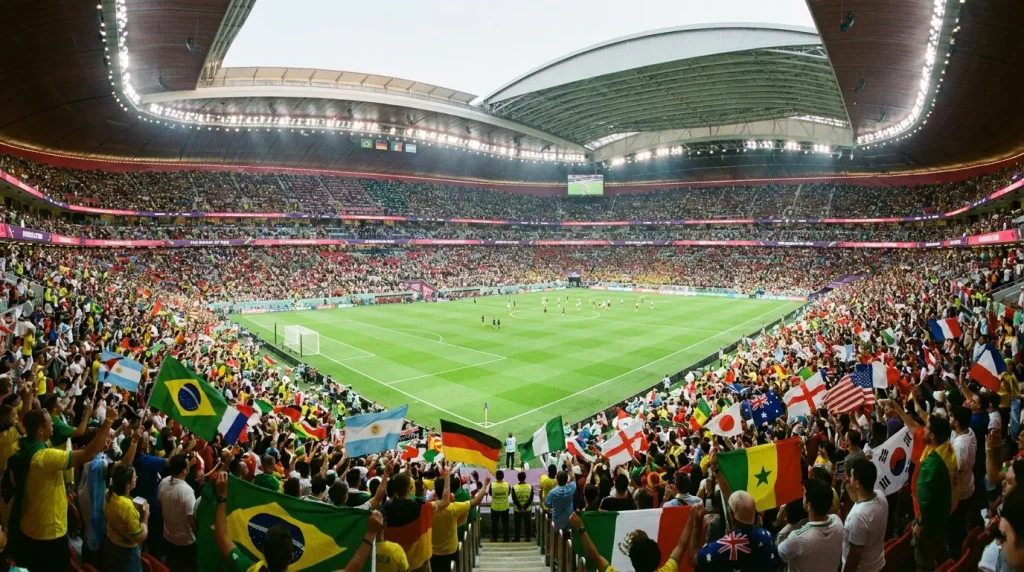
$36.9 Billion Expected — the Biggest Betting Event in History
Every World Cup resets the scale of football betting. The 2022 tournament in Qatar generated an estimated $35 billion in global wagering, a 60% increase from Russia 2018. The 2026 edition — spread across the United States, Canada and Mexico with an expanded 48-team format — is projected to attract $36.9 billion in bets and open approximately 12.3 million new betting accounts worldwide. This is not just the biggest football betting event. It is the biggest betting event in the history of sport.
For UK punters, the World Cup represents a rare intersection of maximum public interest and maximum market inefficiency. Casual bettors flood the market during a World Cup — many of them placing their only bets of the year. That influx of uninformed money creates pricing distortions that do not exist in the same magnitude during regular domestic seasons. The bookmakers know this too, and they respond by widening margins on popular markets while simultaneously offering promotional prices that can contain genuine value if you know where to look.
A survey of fans following the 2026 tournament found that 30% plan to bet more than they did in 2022, up from 19% who said the same ahead of the last World Cup. The market is expanding, the money is increasing, and the opportunities for prepared punters are growing proportionally.
Outright Winner Market — Early Value Assessment
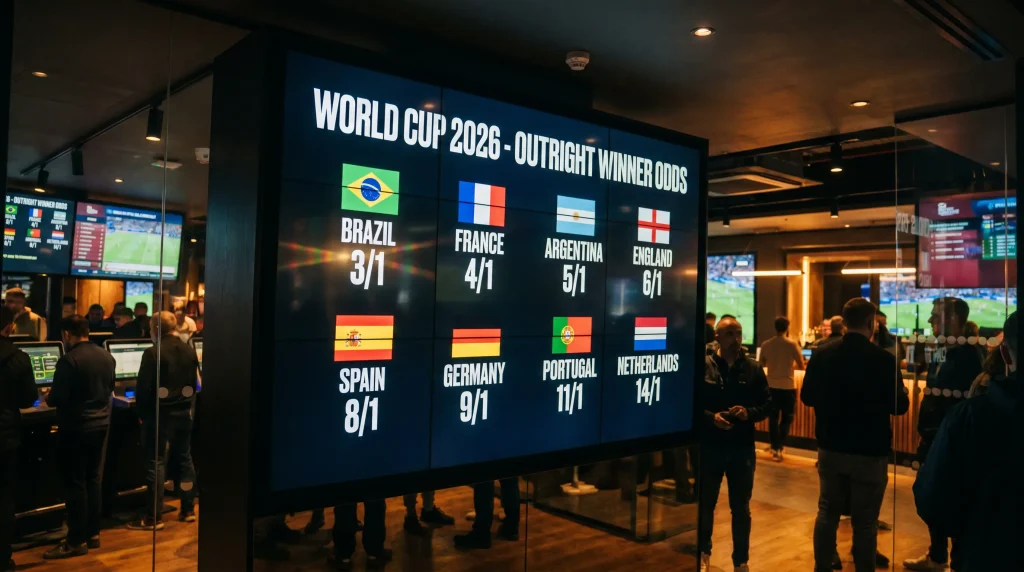
The outright winner market opens years before the tournament and evolves constantly. Prices in 2024 reflected squad strength and qualifying form. Prices in mid-2026, as the tournament approaches, reflect the same inputs plus injury news, warm-up results, and the inevitable media narrative around each team. The question is whether early prices or late prices offer better value — and the answer is not as straightforward as “early is always better.”
Early outright prices are set with wider margins because the bookmaker’s uncertainty is higher. They do not know which players will be fit, which managers will still be in charge, or how qualifying form will translate to tournament performance. That uncertainty cuts both ways: it means some prices are too long and some are too short, but the magnitude of the errors is larger than closer to kick-off. If you can identify a team that the market is undervaluing — because of a recent qualifying disappointment that obscures underlying squad quality, for instance — the early price is often significantly better than the price that team will trade at once the tournament draw is made and the media narrative shifts.
The World Cup 2022 demonstrated the volatility of outright markets. Pre-tournament favourites Brazil were eliminated in the quarter-finals. Argentina, who opened at longer odds after a shaky qualifying campaign, won the tournament. The lesson is not that favourites always lose — it is that outright tournament markets have inherent variance that rewards diversification. I typically spread a fixed outright allocation across three to four teams at different price points rather than putting everything on a single selection.
Group-Stage Betting — Where the Value Opens Up
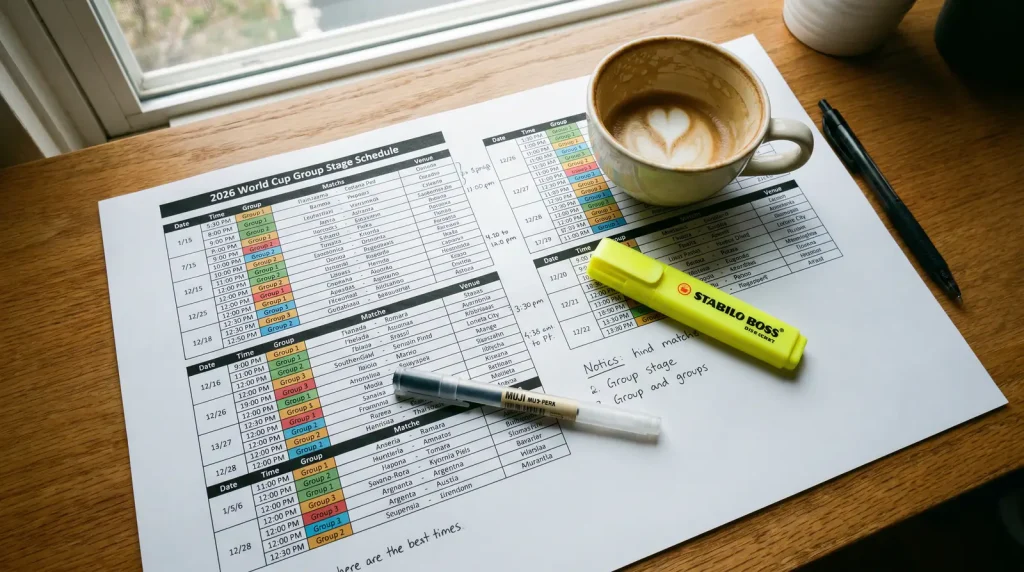
The expanded 48-team format means 12 groups of four teams, with the top two plus the eight best third-placed sides advancing. That structure creates a specific dynamic: more matches, more mismatches, and more opportunities for sharp bettors to exploit pricing gaps that the bookmaker’s tournament model handles less precisely than their domestic models.
Group-stage matches between a heavyweight and a debutant or minnow are priced with enormous margins. The favourite might be 1.10 or 1.15 — essentially unbackable on the match result — but the totals, handicap and player markets on the same fixture offer far more interesting pricing. A match between a top-five ranked side and a nation making its World Cup debut is a breeding ground for over goals, high handicap lines, and first goalscorer value on players facing stretched defences.
The third-match-day group deciders are where I focus most of my group-stage betting. By the third round of matches, the group picture is partially formed — some teams need a win, some need a draw, some are already through. The motivation matrix is clear and measurable, yet bookmakers often price these matches using the same team-strength models they applied to matchday one, without fully adjusting for tactical context. A team that needs only a draw to advance will set up differently from one that must win, and that tactical reality affects every market from match result to total goals to corners.
The Host-Nation Factor — USA, Canada and Mexico
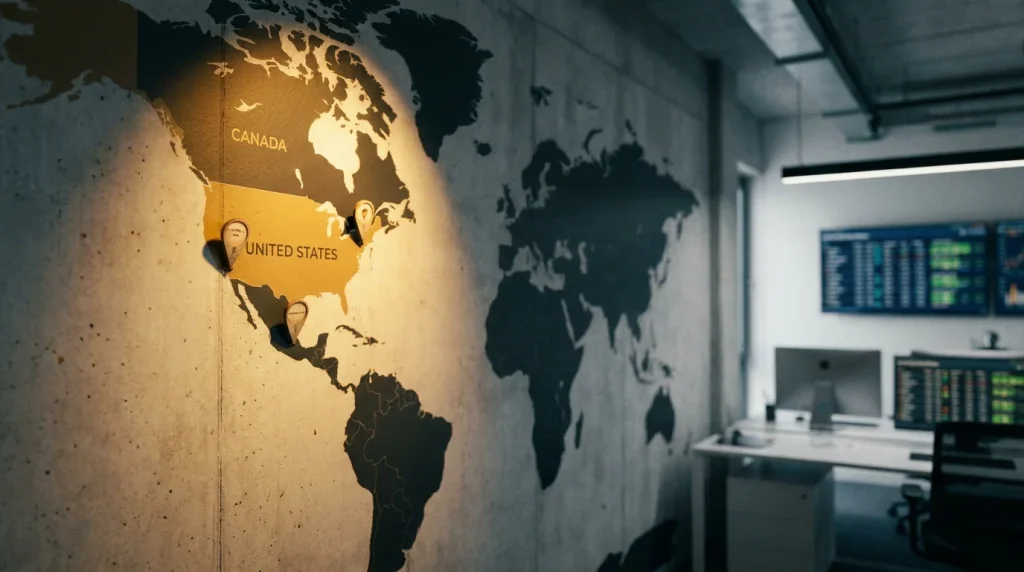
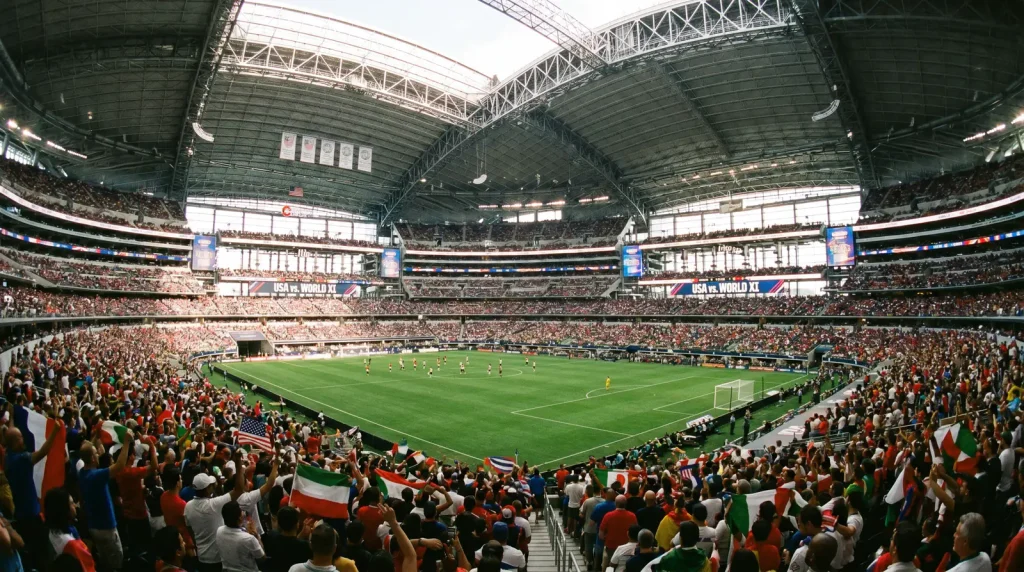
A tri-host World Cup is unprecedented, and the betting implications are genuinely novel. Host nations historically receive a measurable performance boost — partly from home-crowd support, partly from avoiding travel fatigue, and partly from psychological comfort. But how does that advantage work when three nations share hosting duties across a continent?
The United States, as the primary host with the majority of venues, will play all its group-stage matches domestically. That is a clear home advantage comparable to previous single-host tournaments. Canada and Mexico will also play group-stage matches in their own countries, but knockout rounds will be distributed across all three nations. A Canadian side playing a round-of-16 match in a Mexican venue is not “at home” in any meaningful sense — the crowd dynamic and climate are completely different.
Industry analysts have observed that operators expanding into sports and multi-product experiences will be better positioned to capture growth during events like the 2026 World Cup. For punters, the expansion of the tournament format and the host-nation complexity create a richer set of betting angles than any previous World Cup. The key is preparation — building your analytical framework before the tournament starts rather than reacting to group-stage results in real time. The teams, the groups, the venues and the travel schedules are all known. The work can begin now. If your World Cup betting will include Premier League players and you want context on how club form translates to international tournaments, the Premier League guide covers that intersection.
Is it too early to place outright bets on the 2026 World Cup?
It depends on the specific selection. If you have identified a team the market is undervaluing based on squad quality that has not been fully reflected in the odds — perhaps due to a poor qualifying campaign that obscures underlying talent — early prices often offer significantly better value than prices closer to kick-off. However, early bets carry injury and form uncertainty that late bets avoid. Spreading your outright allocation across early and late positions is a practical approach.
How does a multi-host tournament affect travel-related betting factors?
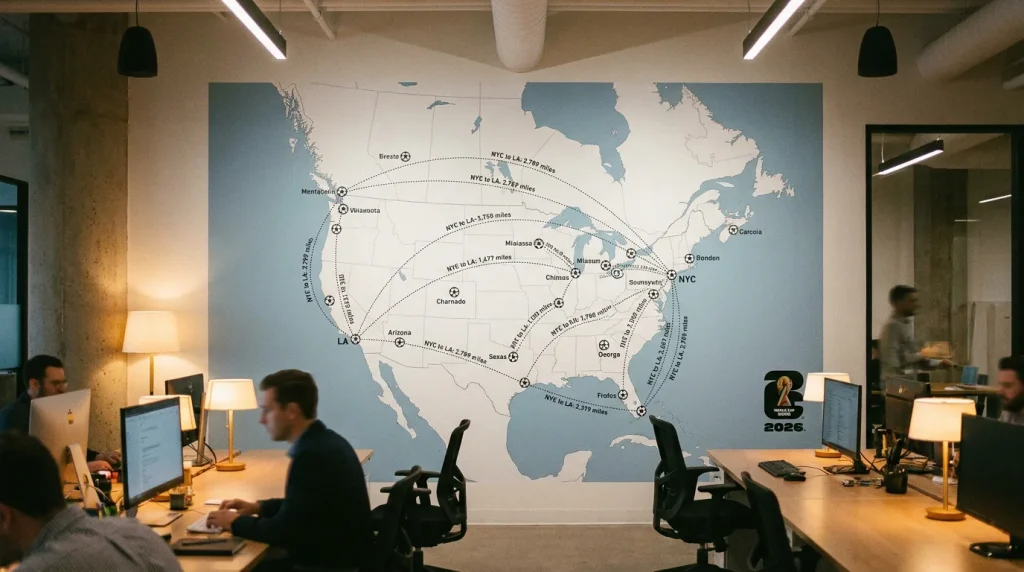
The tri-host format across the USA, Canada and Mexico introduces significant travel variables. Teams playing matches in different countries within the same group stage face climate shifts, altitude changes and long-distance travel between venues. These factors affect fatigue, recovery and performance in ways that single-host tournaments do not produce. Teams based in central US venues have a logistical advantage over those shuttling between coasts or crossing borders between matches.
Articles
Created by the "Football Bet Today" editorial team.
